
Spring Takes Over
Explore the Orange Beach Almanac
Links to more Articles:
| Full-Year Guide | Previous Month | Next Month |
|---|---|---|
| Best Time to Visit Orange Beach | March in Orange Beach | May in Orange Beach |
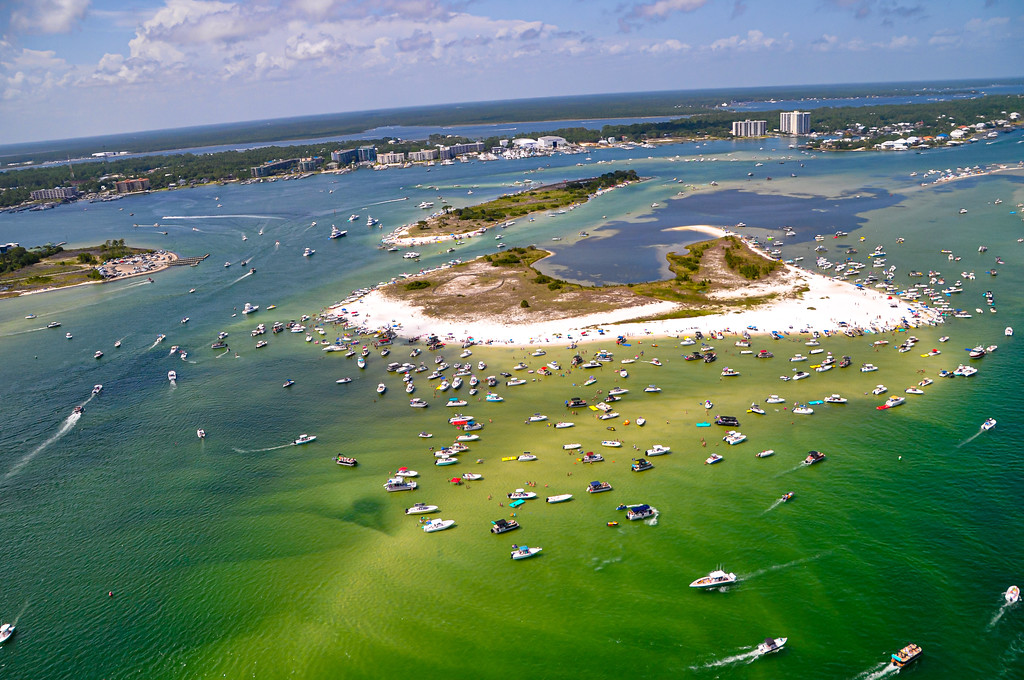
April is when the Gulf wakes up.
Bait begins appearing throughout the bays and along the beaches. Dolphins follow it toward the passes and nearshore waters. Speckled trout, redfish, flounder, and pompano begin moving into spring territory, while boats return to the water and longer evenings draw people back outside.
March may introduce spring, but April belongs to it.
The change can be felt across every part of Orange Beach. Marshes grow greener, the beaches begin filling with life, restaurants become livelier, and the waterways settle into the rhythm that will carry them toward summer.
True boating season has begun.
Cold fronts and windy days can still interrupt the month, but the warm stretches become longer and more dependable. On a calm April day, comfortable temperatures, low humidity, warming water, and bright spring sunshine can create some of the finest boating conditions of the entire year.
The beaches awaken along with the rest of the coast.
They remain far less crowded than they will be during summer, although occasional spring-break weeks bring brief surges of families and traffic. One stretch may feel energetic and busy, while the following week settles back into a relaxed spring pace.
Most snowbirds have packed up and headed home by now.
Their departure marks the end of the winter season as spring-break travelers, weekend boaters, anglers, and families begin taking their place. Orange Beach no longer feels quiet, but it has not yet reached the nonstop intensity of June and July.
The transformation beneath the surface is even greater.
As coastal water warms, baitfish and shrimp become increasingly active throughout the estuary. Speckled trout, redfish, and flounder begin occupying the beaches, passes, flats, and other areas that felt nearly empty during the coldest part of winter. Pompano move along the shoreline, and by the latter part of the month, warmer conditions can begin creating comfortable opportunities to wade and fish the surf.
This is a special window for beach anglers.
The water is warm enough for desirable gamefish to become active, but it has not yet filled with all the bait thieves and nuisance species that often arrive with hotter summer conditions. A quiet morning on the beach can produce pompano, trout, redfish, flounder, or whiting before most visitors have finished breakfast.
The sheepshead story begins changing too.
After dominating the nearshore fishing calendar during March, the spawning run winds down as April progresses. The large concentrations gradually break apart as sheepshead leave nearshore reefs, gas platforms, and other spawning areas and begin returning to their summer homes around bridges, docks, jetties, oyster reefs, and hard structure.
What was concentrated begins spreading out.
That pattern can be seen across the entire ecosystem.
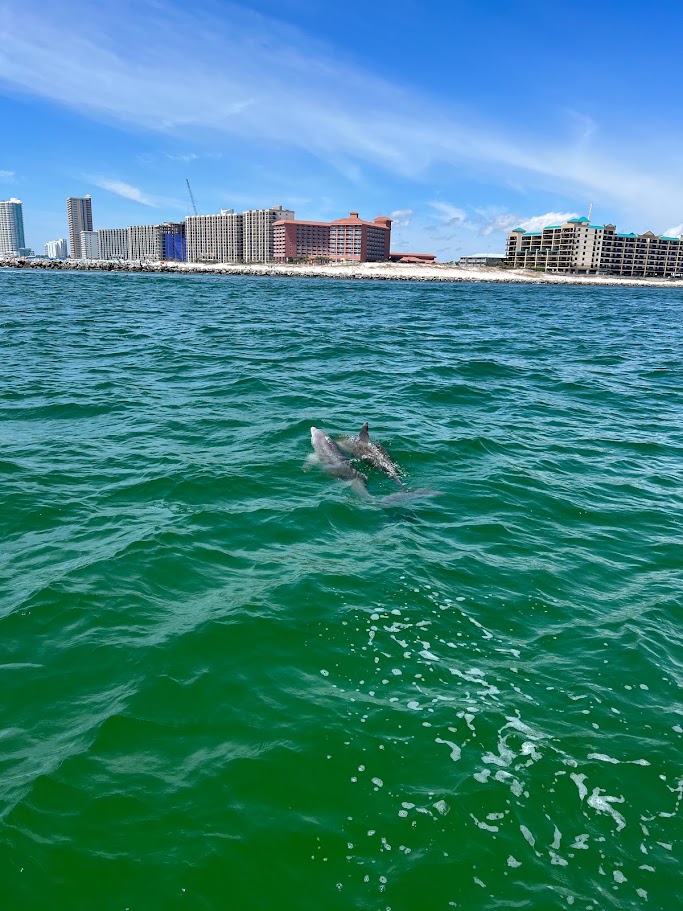
Dolphins that spent much of winter following bait through protected rivers and back bays begin exploring the passes, beaches, and nearshore Gulf more frequently. As bait spreads into new areas, the dolphins follow, creating more opportunities to see them feeding and traveling just beyond the shoreline.
The cast of birds changes as well.
Many common loons and cormorants that spent winter diving throughout the bays begin their journeys north. The winter bald eagle population thins as migratory birds leave the region, although resident nesting pairs may remain around established territories. At the same time, spring migrants arrive across the Gulf, bringing new color and movement to barrier islands, forests, marshes, and coastal refuges.
April feels alive because everything is in motion.
Fish are changing habitats. Birds are changing continents. Dolphins are expanding their range. Bait is appearing throughout the water, and people are returning to the beaches and bays.
Spring is no longer something waiting beyond the next cold front.
It is here.
The mornings are warmer, the evenings last longer, and the Gulf Coast has fully awakened.
April does not merely announce the arrival of spring.
It belongs to it.
April at a Glance
April is when Orange Beach shifts fully into spring.
The Gulf wakes up, true boating season begins, and life spreads into nearly every part of the coastal ecosystem. Bait appears throughout the bays and along the shoreline, dolphins explore the beaches more frequently, migratory birds pass through the coast, and warm afternoons begin feeling increasingly like summer.
The beaches stay pleasantly active without becoming overwhelmingly crowded. Occasional spring-break weeks bring families and heavier traffic, but the pace remains far more relaxed than June or July. Most snowbirds have left, restaurants and attractions are fully awake, and the coast settles into one of its most enjoyable stretches of the year.
For anglers, April is all about movement. Pompano travel along the beaches, speckled trout and redfish return to spring territory, flounder begin moving back into coastal waters, and the final groups of spawning sheepshead gradually leave the nearshore structure that held them during March.
| Category | Rating |
|---|---|
| ☀️ Beach Days | ★★★★★ |
| 🌊 Swimming | ★★★☆☆ |
| 🎣 Fishing | ★★★★★ |
| 🐬 Dolphin Activity | ★★★★★ |
| 💧 Water Clarity | ★★★★☆ |
| 🪼 Jellyfish Risk | ★☆☆☆☆ |
| 🌿 Seaweed Risk | ★☆☆☆☆ |
| ✈️ Blue Angels | ★★★★☆ |
| 🚤 Boating | ★★★★★ |
| 👨👩👧👦 Family Vacations | ★★★★☆ |
| ❤️ Couples Getaways | ★★★★★ |
| 💰 Overall Value | ★★★★☆ |
Monthly Snapshot
Average High: 75–78°F
Average Low: 57–62°F
Average Gulf Water Temperature: Approximately 68–72°F
Average Rainfall: Around 4–5 inches
Average Daylight: Roughly 13 hours
Typical Conditions: Warm afternoons, mild mornings, increasing sunshine, occasional cold fronts, periodic wind, and increasingly comfortable boating weather
Best For
- Spring boating and dolphin cruises
- Pompano fishing from the beach
- Speckled trout, redfish, and flounder in the surf
- Comfortable beach days without summer heat
- Spring bird migration
- Blue Angels practices
- Hiking and biking in mild weather
- Couples and adults seeking a quieter coastal getaway
Captain’s Pick
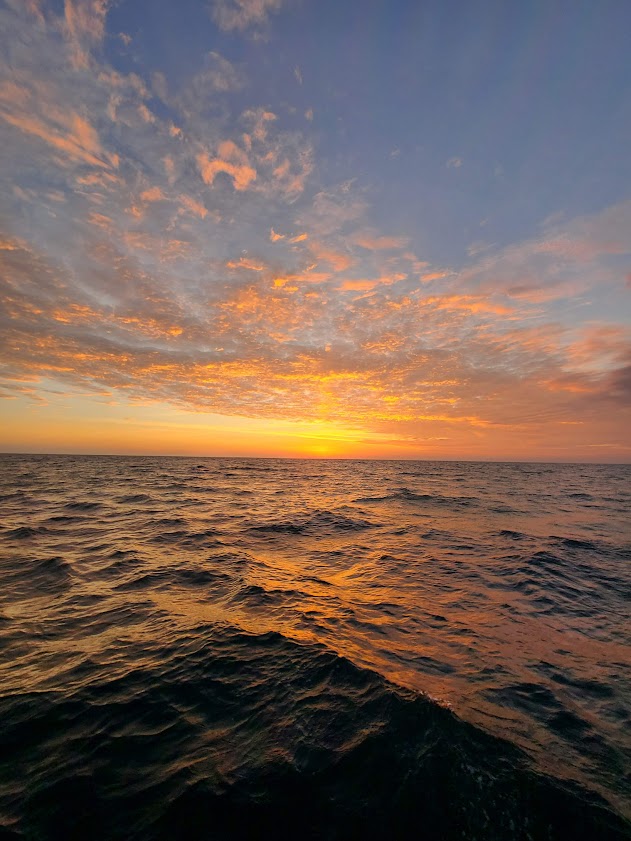
Take advantage of April before summer fully arrives. The weather is warm enough to spend the entire day outside, the beaches remain manageable, and the Gulf is full of movement. Start the morning fishing for pompano or trout along the shoreline, spend the afternoon on the boat looking for dolphins, and finish the day watching the sunset without the heat and crowds of midsummer.
Experience Orange Beach as Spring Takes Over
April is when the Gulf wakes up. Warmer afternoons, improving water temperatures, active dolphins, returning fish, and excellent boating conditions make it one of the best times to explore Orange Beach before the peak summer crowds arrive.
What April Feels Like
April feels like Orange Beach finding its rhythm again.
The coldest part of the year is behind it, the days stretch farther into the evening, and the entire coast seems to move with more purpose. Boats leave the docks earlier. Families return to the beaches. Bait flickers across the surface, dolphins roam farther from the back bays, and the shoreline begins looking alive again.
Spring has stopped testing the waters.
It has taken over.
The mornings are usually mild enough to enjoy outside without bundling up, while afternoons often feel nearly perfect. The heat and humidity of summer have not arrived, but there is enough warmth to spend hours on the beach, walk the trails, fish from the surf, or stay on the boat until sunset.
April has energy without pressure.
Restaurants and attractions are busy enough to feel lively, but the coast has not reached the constant pace of summer. Spring-break traffic may briefly fill the roads and beaches, then disappear almost as quickly as it arrived. Between those busier stretches, Orange Beach settles into a comfortable balance—awake, active, and still easy to enjoy.
The water feels different too.
It is no longer holding onto winter. Bait begins appearing in places that seemed empty a few weeks earlier, and gamefish follow. Speckled trout, redfish, flounder, and pompano begin showing up along beaches, passes, and shallow areas, while sheepshead gradually leave their spawning grounds and return to familiar summer structure.
Even the dolphins seem to recognize the change.
As bait spreads toward the shoreline and nearshore Gulf, dolphins begin exploring those areas more often. They may still spend time throughout the bays and rivers, but April opens a much larger playground. Seeing dolphins traveling just beyond the beach becomes more common as the month progresses.
The winter birds begin giving way to spring travelers.
Loons and many cormorants start leaving. The winter bald eagle population thins. At the same time, migrating songbirds and other seasonal visitors arrive along the barrier islands and coastal forests, replacing one chapter of Gulf Coast wildlife with another.
The beaches begin to feel social again.
People stay longer, children return to the shoreline, and beach chairs remain in the sand well into the afternoon. The Gulf can still feel chilly, especially early in the month, but the bravest swimmers begin testing it while everyone else enjoys the warmth from shore.
April feels like possibility.
The fishing is changing. The boating is improving. The wildlife is moving. The beaches are filling in without feeling overwhelmed.
Everything that winter slowed down is beginning to speed back up.
Captain’s Insight
April is one of those months when it feels good just to be outside. You can fish in the morning, spend the afternoon on the boat, and stay comfortable all the way through sunset. The Gulf is waking up, but summer has not taken over yet. That little window makes April one of the easiest months of the year to enjoy Orange Beach.
Weather & Gulf Conditions
April brings some of the most comfortable weather of the year to Orange Beach.
Winter has finally lost control, but the intense heat and humidity of summer have not yet arrived. Mornings are generally mild, afternoons are warm, and the longer evenings make it possible to enjoy the beach or stay on the water well after most winter days would have ended.
This is when true boating season begins.
More boats return to the marinas, dolphin cruises become increasingly comfortable, and calm spring days create excellent opportunities to explore the back bays, Perdido Pass, and the nearshore Gulf. On the right afternoon, the air is warm, the sun is bright, and the temperature on the water feels nearly perfect.
April still has an unpredictable side.
Cold fronts become less frequent and usually less persistent than they were during March, but they have not disappeared completely. A strong front can still bring thunderstorms, gusty winds, cooler air, and rough conditions across the bays and Gulf. The difference is that spring usually regains control quickly, with warmer weather returning soon after the system passes.
Wind remains one of the biggest factors for boaters.
Southerly flow ahead of a front can build waves offshore and create uncomfortable conditions near the pass. After the front moves through, north or northwest winds may produce short, steep chop across open bays even when the beach appears relatively calm.
This is why judging boating conditions from land can be misleading.
A beautiful morning at the condo does not always mean the Gulf is comfortable, and calm water inside a protected canal may look completely different from Perdido Pass or the open Gulf. Anyone planning a fishing trip, dolphin cruise, or recreational boating day should check the marine forecast, wind direction, wave conditions, and expected timing of approaching storms.
Afternoon sea breezes begin becoming more noticeable as the land warms.
A morning may begin calm before an onshore breeze develops later in the day. This natural circulation often feels refreshing on the beach, but it can also create a choppier ride home for smaller boats. Early departures may offer smoother conditions, particularly when the broader weather pattern is otherwise quiet.
The Gulf is warming steadily, but it can still feel cold.
Sunny afternoons may have the beach feeling almost like summer, yet the water often reminds swimmers that spring has only recently arrived. Children and determined spring-break visitors may stay in for hours, while many adults decide that relaxing beside the water is more enjoyable than getting completely submerged.
Surf conditions deserve attention even on beautiful days.
Stronger onshore winds and passing weather systems can increase wave action and create dangerous rip currents. A bright sky does not guarantee safe swimming conditions, so visitors should always check the beach flags and local rip-current forecast before entering the Gulf.
Thunderstorms also begin taking on a more springlike character.
Some arrive with organized cold fronts, while others form as warm Gulf moisture interacts with an approaching weather system. These storms can bring heavy rain, lightning, strong gusts, and rapidly changing visibility. They may move through quickly, but boaters should never depend on speed alone to outrun an approaching storm.
April rewards flexibility without demanding it every day.
Unlike March, when weather can dominate the entire week, April often provides longer stretches of pleasant conditions. Plans may occasionally need to shift, but there are usually plenty of opportunities to find a beautiful beach day or a comfortable window on the water.
Pack light clothing, sunscreen, and something warmer for early mornings on the boat.
The air may feel warm at the marina, but running across open water before sunrise can still be chilly. A lightweight jacket that can be removed later is often the difference between enjoying the ride and spending the first hour wishing you had brought another layer.
April is not completely predictable.
But when the wind settles and the sun comes out, it may offer the best combination of warmth, comfort, and boating conditions found anywhere on the Orange Beach calendar.
Did You Know?
The afternoon breeze felt along the beach is often created by the difference in temperature between the land and the Gulf. As the land warms faster than the water, warmer air rises over land and cooler marine air moves inland to replace it.
Captain’s Insight
April is one of my favorite months to be on the water because you can usually stay comfortable all day. You still have to respect the fronts and watch the afternoon wind, but when the forecast lines up, it is hard to beat. The days are longer, the Gulf is waking up, and summer boating traffic has not taken over yet.

Water Clarity
April can produce some spectacular water around Orange Beach.
On calm days, the nearshore Gulf may glow emerald green, the bottom can be visible in surprisingly deep water, and the beaches can look almost tropical. Winter’s exceptional clarity has not completely disappeared, but April introduces more movement, more biological activity, and greater day-to-day variation.
The Gulf is no longer sitting still.
Warming water brings baitfish, shrimp, plankton, and other marine life back into greater abundance. That growing productivity is exactly what awakens the food chain, but it can also make the water look less transparent than it did during the coldest months of winter.
Clear does not always mean healthy, and cloudy does not always mean dirty.
Water clarity describes how much suspended material is present in the water. Sand, fine sediment, plankton, algae, and organic matter can all reduce visibility without indicating pollution or unsafe conditions. In April, a slightly greener or less transparent Gulf may simply be evidence that the coastal ecosystem is becoming more active.
Wind remains one of the fastest ways to change what visitors see from the beach.
A calm morning may reveal beautiful clear water along the shoreline. After several hours of stronger onshore wind and building surf, waves can stir sand and fine sediment from the shallow bottom, turning that same water cloudy. Once conditions settle, visibility may improve again much faster than many visitors expect.
Rainfall can create longer-lasting changes.
Orange Beach is connected to the enormous Mobile Bay watershed, so water clarity is influenced by far more than the rain falling directly on the beach. Heavy rainfall far inland can eventually increase river discharge into Mobile Bay, carrying sediment and darker freshwater toward the coast even when the weather in Orange Beach has been sunny.
Currents and wind determine where that water travels.
At times, darker bay-influenced water may push toward the eastern shoreline. Under a different pattern, cleaner Gulf water moves toward the beach and produces the bright emerald color visitors hope to see. This is why conditions can vary between Gulf Shores, Orange Beach, Perdido Pass, and the beaches farther east.
Perdido Pass often puts that movement on display.
Tidal flow continually exchanges water between the bays and the open Gulf. Depending on the tide, wind, and recent rainfall, visitors may see noticeably different water colors meeting near the pass. One side may appear darker or greener while another looks bright and clear.
April’s increasing marine life can also create subtle changes beneath the surface.
Schools of bait may darken patches of water. Stingrays and other bottom-dwelling animals can disturb sand as they move. Pollen and organic debris may temporarily collect near the shoreline, while changing currents occasionally deliver small amounts of seaweed or jellyfish from elsewhere in the Gulf.
Neither is usually a major concern yet.
Seaweed and jellyfish risk generally remain low compared with late spring and summer, although no Gulf Coast month is completely predictable. A shift in wind or current can create a brief appearance even when the beaches were clear the day before.
For the best chance of seeing April’s clearest water, look for a calm stretch following several dry days.
Light wind allows suspended sand to settle, while lower river discharge reduces the amount of darker freshwater reaching the coast. Incoming tides may also carry cleaner Gulf water toward the shoreline and through Perdido Pass.
April water does not have winter’s stillness.
It has life.
Bait flashes beneath the surface, dolphins begin following it closer to the beaches, gamefish occupy the surf, and the entire coastal ecosystem becomes more productive with each passing week.
The Gulf may be slightly less predictable than it was in February.
But it is far more alive.
Did You Know?
The scientific term for water cloudiness is turbidity. It increases when particles such as sediment, plankton, or organic material block and scatter light, reducing how far you can see through the water.
Captain’s Insight
April can give you some absolutely beautiful water, but it may not look the same two days in a row. Wind, tides, currents, and rainfall across the watershed are all working together. When the wind lays down and clean Gulf water pushes toward the beach, April can look every bit as good as summer—without the summer crowds.
Dolphins & Wildlife
April changes the cast of wildlife around Orange Beach.
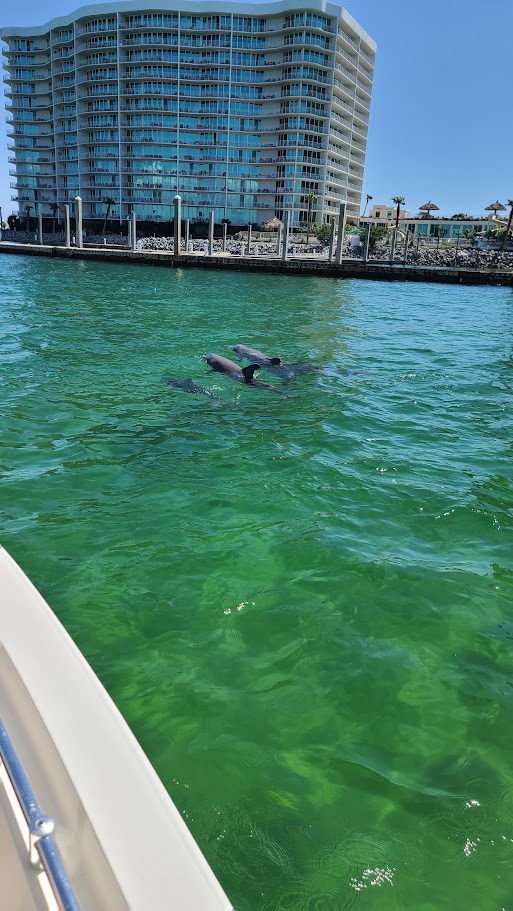
The bottlenose dolphins do not suddenly return—they live throughout the northern Gulf Coast year-round. What changes is where they spend their time. As baitfish and shrimp become more active and spread toward the passes, beaches, and nearshore Gulf, dolphins begin exploring those areas more frequently.
Winter often keeps much of the food concentrated inside protected rivers, bayous, and deeper portions of the back bays. By April, that pattern begins opening up.
Dolphins may still be found feeding throughout the bays, but they are increasingly seen traveling through Perdido Pass, working schools of bait near the islands, and surfacing just beyond the beach. On calm mornings, visitors may spot dorsal fins moving parallel to the shoreline before they ever step onto a boat.
The best dolphin activity still follows the food.
Diving birds, baitfish flickering across the surface, and sudden splashes near a sandbar can all reveal active feeding areas. Dolphins may herd fish into tight schools, push them against shallow banks, or work together beneath flocks of feeding birds.
April gives them more territory to explore.
The bird population changes just as dramatically.
Many of the common loons and double-crested cormorants that spent winter diving throughout the bays begin moving toward their northern breeding areas. Their numbers gradually thin as the month progresses, although some may remain visible well into spring.
The winter bald eagle population also begins fading.
Some bald eagles seen around Orange Beach during the colder months are seasonal visitors that leave the coast as spring advances. Resident nesting pairs may remain near established territories, however, and can still be seen hunting over rivers, bays, and marshes or caring for young birds near active nests.
As the winter birds leave, spring migrants arrive.
April is one of the most exciting bird-migration months along the Alabama coast. Songbirds crossing the Gulf may reach barrier islands, coastal forests, and protected refuges exhausted and in need of food and rest before continuing north.
Some mornings appear fairly quiet.
Then a change in wind or an approaching front can suddenly fill the coastal woods with birds that were not there the previous day. Warblers, vireos, tanagers, hummingbirds, and other migrants may briefly gather in areas that provide insects, berries, shelter, and fresh water.
For these birds, the Alabama coastline is more than a scenic stop.
It can be a vital place to recover.
Bon Secour National Wildlife Refuge, the Fort Morgan Peninsula, Dauphin Island, Gulf State Park, and other remaining coastal habitats provide important resting and feeding areas during spring migration. Visitors who slow down and listen may hear an entirely different soundtrack than they did during winter.
Pelicans, ospreys, herons, and egrets remain part of the everyday scenery.
As bait becomes more abundant, these year-round coastal birds become increasingly active around shallow flats, marsh edges, docks, beaches, and the passes. Pelicans dive into schools of fish, ospreys circle above the water before striking, and herons quietly patrol shorelines waiting for an easy meal.
The marsh itself begins coming alive.
Warmer days bring more insects, small fish, crabs, and other creatures into motion. Reptiles become more active, vegetation grows quickly, and the edges of the bays begin looking and sounding different from one week to the next.
The beach also becomes a wildlife-watching destination again.
Schools of bait may darken the water close to shore. Rays can occasionally be seen moving across shallow sandbars, dolphins travel beyond the breakers, and feeding birds reveal activity beneath the surface. The water is no longer simply a beautiful background—it is becoming a busy living environment.
Seaweed and jellyfish usually remain minor concerns compared with the warmer months.
An unusual current or stretch of onshore wind can still bring either one to the beach temporarily, but April generally offers a clean shoreline and comfortable conditions for walking, wildlife watching, and exploring shallow water.
Visitors should remember that spring wildlife is often tired, nesting, or feeding heavily.
Migratory birds need room to rest. Dolphins should never be fed or chased. Nesting areas should be observed from a respectful distance, and any injured or stranded marine animal should be reported rather than approached.
April is a month of arrivals and departures.
Loons and cormorants leave. Wintering eagles thin out. Migratory songbirds arrive from across the Gulf. Dolphins expand into nearshore water, while baitfish and marine life spread throughout the bays and beaches.
Every part of the coast is changing places at once.
That movement is what makes April feel so alive.
Did You Know?
Bottlenose dolphins inhabit bays, estuaries, nearshore waters, and the open Gulf. Their location can change with tides, prey movement, water conditions, and human activity, which is why an experienced captain searches for signs of feeding life rather than following the exact same route every day.
Captain’s Insight
April is when I start seeing dolphins work farther toward the beaches and nearshore Gulf again. They never really left—they are following the bait. At the same time, the winter birds are disappearing and spring migrants are showing up. Every trip feels a little different because the entire coast is changing almost daily.
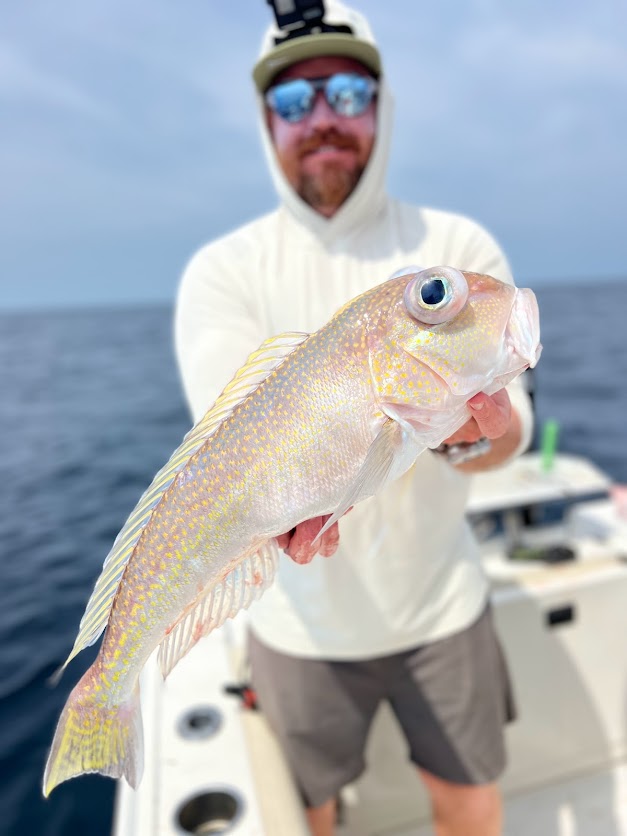
Fishing in April
April fishing in Orange Beach is defined by movement.
The water is warming, bait begins appearing almost everywhere, and fish that spent winter in deeper rivers, protected backwaters, or offshore areas begin returning to the beaches, passes, flats, and lower portions of the bays.
For anglers, it can feel as if the entire coast is being repopulated.
Speckled trout begin spreading out of their winter territory. Redfish respond to warming shallows and increasing bait. Flounder start working their way back into coastal waters. Pompano move along the beaches, and the final groups of spawning sheepshead begin leaving the nearshore structure that held them during March.
April does not belong to one fish the way March belongs to the sheepshead.
It belongs to the movement itself.
The Beach Becomes a Fishing Destination Again
April is one of the best times of the year to fish directly from the beach.
Pompano are moving through the area, feeding along sandbars, troughs, cuts, and areas where waves uncover small crabs, clams, and other prey. These bright silver fish may not grow to enormous sizes, but they are fast, powerful, excellent to eat, and perfectly suited for anglers who want to fish without stepping onto a boat.
Small pieces of shrimp, sand fleas, and pompano-style rigs are common choices. The greatest casting distance is not always necessary. Fish frequently travel through the first trough or along a nearby bar, especially when wave action and current are exposing food.
Reading the beach matters more than blindly casting toward the horizon.
Look for deeper cuts through a sandbar, changes in wave patterns, points where water drains away from the beach, and areas where birds or bait reveal additional life. A small difference in depth can create a natural travel lane that produces fish throughout the morning.
April also creates a special opportunity to catch gamefish from the surf before warmer water brings greater numbers of what local anglers jokingly call the “trash fish.”
That term does not mean those species lack value. It simply describes the bait thieves and less desirable catches that become increasingly common as the water heats up. During April, there is often a cleaner window when pompano, speckled trout, redfish, flounder, and whiting make up a greater share of the action.
Speckled Trout Follow the Warming Water
Speckled trout begin leaving their deepest winter holding areas as the water becomes more comfortable and bait spreads across the system.
Early in the month, a strong cold front can still push fish back toward deeper rivers, channels, and protected areas. After several warm afternoons, however, trout may move toward creek mouths, oyster reefs, grass edges, points, passes, and shallow areas close to deeper water.
This makes April fishing extremely responsive to recent weather.
A shoreline that appeared lifeless immediately after a front may hold feeding trout only a few days later. Water temperature, tide, bait movement, and wind direction all help determine where the fish will be on a particular morning.
Trout may also begin appearing along the beaches and around Perdido Pass as bait returns to the lower estuary. Calm mornings can create excellent opportunities to cast artificial lures or live bait along shallow drop-offs before boat traffic and afternoon wind increase.
Redfish Remain Dependable
Redfish continue offering one of April’s most reliable inshore opportunities.
They may be found around marsh edges, oyster-covered shorelines, docks, deeper creek mouths, sandbars, and areas where moving water concentrates bait. Warm afternoons can draw fish into shallower water, while a late cold front may temporarily push them toward nearby depth.
April redfish are often feeding rather than simply trying to survive the cold.
That change can make them more willing to chase a lure, strike a moving bait, or reveal themselves by pushing wakes across a shallow flat. Anglers should watch for nervous water, jumping bait, birds working low over the surface, and muddy patches created by feeding fish.
Along the beach, larger redfish may also appear in the surf or around the passes. These fish can turn a quiet pompano trip into a serious battle, especially when hooked on lighter tackle.
Flounder Begin Returning
Flounder are another important part of April’s changing fishery.
After moving toward offshore spawning areas during the colder season, fish gradually begin filtering back through the passes and into coastal bays as spring develops. The return does not happen all at once, but activity generally improves as water temperatures rise and bait becomes more abundant.
Flounder are ambush predators.
Instead of constantly chasing prey across open water, they often settle along the bottom beside ledges, current breaks, dock pilings, sandy potholes, creek mouths, and the edges of channels. From those positions, they wait for shrimp or small fish to move within striking distance.
This makes the passes and lower bays especially interesting during April.
Areas that funnel moving bait can also funnel returning flounder. Slow presentations near the bottom often work best, whether using live bait or an artificial lure that stays close to the sand.
Wading Opportunities Begin Opening
By late April, the first truly comfortable wading opportunities may begin appearing.
The water can still feel cool during an early morning, but warm afternoons and protected shorelines become increasingly inviting as the month progresses. Wading gives anglers a quiet way to approach shallow trout, redfish, and flounder without the noise and limitations of a boat.
Safety matters.
The bottom can change suddenly, currents near the passes can be powerful, and stingrays may occupy shallow sandy areas. Anglers should shuffle their feet rather than taking high steps, remain aware of boat traffic, and avoid entering unfamiliar water when clarity or current makes the bottom difficult to judge.
April wading is not yet summer wading.
That is part of what makes it enjoyable.
The air is comfortable, insects are generally less intense, the water is becoming manageable, and many shallow areas have not yet experienced the heavy pressure of peak season.
The Sheepshead Run Winds Down
Sheepshead fishing remains possible during April, but the pattern begins changing.
The spawning concentration that made March so remarkable gradually breaks apart. Some fish may remain around nearshore reefs, gas platforms, rock piles, wrecks, and jetties early in the month, especially when seasonal timing runs late.
As April progresses, more sheepshead begin leaving those spawning areas and returning to their summer homes.
Bridges, docks, seawalls, oyster reefs, jetties, and other barnacle-covered structure once again become the places to look. The fish may be more scattered than they were during the peak run, but they remain available to anglers willing to move between pieces of structure.
The transition can create a noticeable difference between the beginning and end of the month.
Early April may still feel like the final chapter of the spawning season. Late April begins looking much more like the summer sheepshead fishery.
The First Nearshore Migrators May Appear
As the Gulf warms, anglers begin watching for the first appearances of spring and summer migratory fish.
Spanish mackerel may begin showing around the beaches, passes, nearshore reefs, and schools of bait. Their arrival varies with water temperature and food availability, but flashes of silver beneath diving birds are an unmistakable sign that the warm-water season is getting underway.
Cobia are another fish capable of turning an ordinary April boat ride into complete chaos.
These large seasonal migrants may travel through the nearshore Gulf around rays, turtles, buoys, floating debris, and other structure. Sight-fishing for cobia has deep roots along the northern Gulf Coast, with anglers watching from elevated positions and keeping a heavy rod ready for any dark shape moving beneath the surface.
April cobia fishing is highly dependent on migration timing, water temperature, clarity, and weather. They should be treated as an exciting possibility rather than a guarantee, especially early in the month. NOAA confirms that cobia migrate seasonally through the Gulf and are commonly associated with rays, turtles, buoys, wrecks, and other large objects or animals. :contentReference[oaicite:0]{index=0}
Offshore Fishing Continues Its Spring Transition
Far offshore, yellowfin tuna remain a premier target.
The opportunity for a true giant does not disappear simply because winter has ended. Long-range boats continue fishing deep Gulf platforms, current edges, temperature changes, and areas holding concentrated bait.
April’s improving daylight and longer stretches of warm weather can make offshore travel more comfortable, but spring fronts and strong winds still influence when boats can safely make the run.
Other offshore fisheries depend heavily on current seasons, regulations, and where the bait has moved. This is not a month to assume that every reef species is available for harvest simply because the weather is improving.
Always check first.
April Gives Anglers Options
The greatest strength of April fishing is variety.
A visitor can soak a bait for pompano from the beach, cast for trout at sunrise, search the marsh for redfish, work the bottom for returning flounder, catch the final sheepshead of the spawning run, or head offshore in search of tuna and the first major migrants of spring.
There is no single fish that defines the entire month.
Instead, April offers something more interesting.
It offers the moment when the whole fishery begins changing at once.
Captain’s Insight
April is one of my favorite months because you can feel the fishery opening up. Bait starts showing up everywhere, trout and redfish move toward the beaches, flounder begin coming back, and pompano are traveling through the surf. You still have a shot at the last spawning sheepshead, but by the end of the month, everything is starting to look like spring and early summer.
Almanac Note
Fishing seasons, size limits, bag limits, and federal requirements can change. Always review the latest Alabama and federal regulations before targeting or harvesting any species.
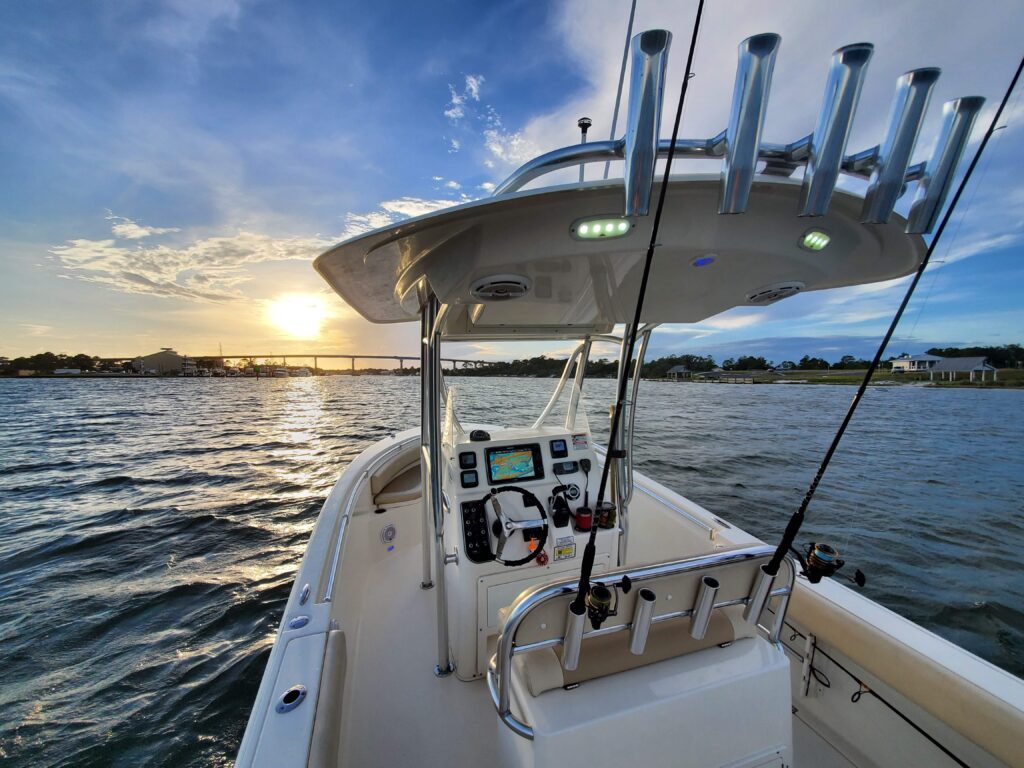
Don’t Miss This Month
April is one of the easiest months to enjoy Orange Beach from morning until sunset.
The Gulf is warming, boats are returning to the water, fish and wildlife are changing locations, and the beaches feel alive without carrying the full crowds or heat of summer. This is the month to stay flexible, spend as much time outside as possible, and enjoy the coast while spring is at its best.
- Spend a full day on the water. April marks the beginning of true boating season in Orange Beach. Start with a morning dolphin cruise or fishing trip, explore the back bays and islands, and stay out long enough to watch the evening light settle across the water. Comfortable temperatures and longer days make it possible to enjoy the Gulf without feeling rushed.
- Fish the beach before summer takes over. Pompano, speckled trout, redfish, flounder, and whiting may all be found along the shoreline during April. The water is warming, gamefish are becoming active, and the heavier summer population of bait thieves and nuisance catches has not fully arrived. A quiet sunrise with a rod in the sand can become one of the most memorable mornings of the trip.
- Watch dolphins move toward the beaches. Bottlenose dolphins remain in the area year-round, but warming water and expanding bait give them more territory to explore. April is a great time to watch for dolphins traveling through Perdido Pass, feeding near the islands, or surfacing just beyond the breakers.
- Experience spring bird migration. April brings a changing cast of birds to the Alabama coast. Winter visitors begin leaving while colorful spring migrants arrive after crossing the Gulf. Bon Secour National Wildlife Refuge, the Fort Morgan Peninsula, Gulf State Park, and nearby coastal forests offer excellent opportunities to slow down, listen, and watch the migration unfold.
- Take advantage of the month’s best beach days. April afternoons can feel nearly perfect—warm enough to relax in the sand without the oppressive heat of midsummer. The Gulf may still feel cool, but beach walks, shell hunting, sandcastles, picnics, and long afternoons beside the water are firmly back on the schedule.
- Explore the coast by bike or on foot. The Hugh S. Branyon Backcountry Trail and Gulf State Park are especially enjoyable before summer heat and humidity arrive. Green marshes, active wildlife, shaded trails, and longer daylight make April one of the best months for outdoor exploration.
- Try an early-season wading trip. By late April, protected shorelines and warm afternoons may create the first comfortable wading opportunities of the year. Anglers can quietly work shallow areas for trout, redfish, and flounder while enjoying a style of fishing that becomes much less comfortable during the hottest months.
April is not simply a preview of summer.
It has its own rhythm.
The beaches are active but manageable. The fishing is expanding. Wildlife is changing almost daily, and the Gulf feels new again after winter.
This is the month to follow the movement.
Where the bait goes, the fish follow.
Where the fish go, the dolphins follow.
And wherever the water is calm and the sun is shining, that is probably where you should be too.
Plan Your Private April Charter
Take advantage of comfortable spring weather, active coastal wildlife, and more room on the water before summer reaches full speed. Back Bay Charters offers private Orange Beach trips for groups of up to six guests.
April Is Best For…
April is one of the most balanced months of the year in Orange Beach.
The beaches are active without feeling overwhelmed, the days are long enough to enjoy from sunrise through sunset, and the worst heat and humidity are still weeks away. Fishing opportunities expand almost daily, dolphins begin using more of the nearshore Gulf, and true boating season settles into full swing.
Spring-break traffic may create occasional busy stretches, but April generally offers enough breathing room to enjoy the coast at a comfortable pace.
Families Visiting Orange Beach ★★★★☆
April is an excellent month for families who want beach time, dolphin cruises, fishing trips, biking, nature trails, and outdoor attractions without the intense summer heat. The Gulf may still feel cool for younger children who want to swim all day, but warm afternoons provide plenty of opportunities to play in the sand and enjoy the shoreline.
Couples Getaways ★★★★★
Comfortable weather, manageable crowds, waterfront dining, long evenings, and beautiful spring sunsets make April one of the finest months for a couples getaway. It is warm enough to spend most of the trip outside while remaining far more relaxed than the peak summer season.
Beach Vacations ★★★★★
April brings some of the year’s most enjoyable beach days. The air is warm, the shoreline is lively, and there is enough sunshine to spend hours beside the Gulf without battling midsummer heat. Swimming comfort varies by person and by week, but relaxing in the sand, walking the beach, and enjoying the scenery are firmly back in season.
Fishing Vacations ★★★★★
April offers exceptional variety. Pompano move through the surf, speckled trout and redfish return to spring areas, flounder begin filtering back into coastal waters, and the final spawning sheepshead transition toward their summer homes. Offshore anglers still have opportunities for yellowfin tuna and the first migratory fish of the warmer season.
Outdoor Enthusiasts ★★★★★
April may be the best month of the year for spending an entire day outside. Hiking, biking, kayaking, boating, birdwatching, surf fishing, and exploring Gulf State Park are all comfortable before summer humidity and insects become more intense.
Photographers ★★★★★
Emerald water, active dolphins, migrating birds, green marshes, spring skies, and beaches returning to life provide tremendous variety. April is especially rewarding for wildlife and coastal photographers because nearly every part of the ecosystem is changing from one week to the next.
Budget-Conscious Travelers ★★★★☆
April can still provide strong value, particularly outside Easter and the busiest spring-break periods. Rates may be higher than they were during winter, but visitors often receive excellent weather and a nearly complete vacation experience without paying peak summer prices.
Snowbirds ★★☆☆☆
April marks the end of the traditional snowbird season. A few extended-stay visitors remain into the beginning of the month, but most have already headed home as warmer weather and spring travelers take over. Those who stay are rewarded with beautiful conditions, although the quiet winter atmosphere has largely disappeared.
April is best for travelers who want a little of everything.
There is enough activity to make Orange Beach feel fully awake, but enough space to enjoy it without constantly fighting crowds. The fishing is diverse, the boating is improving, the wildlife is moving, and the beaches are finally beginning to feel like summer again.
The Gulf has awakened.
April is the time to go enjoy it.
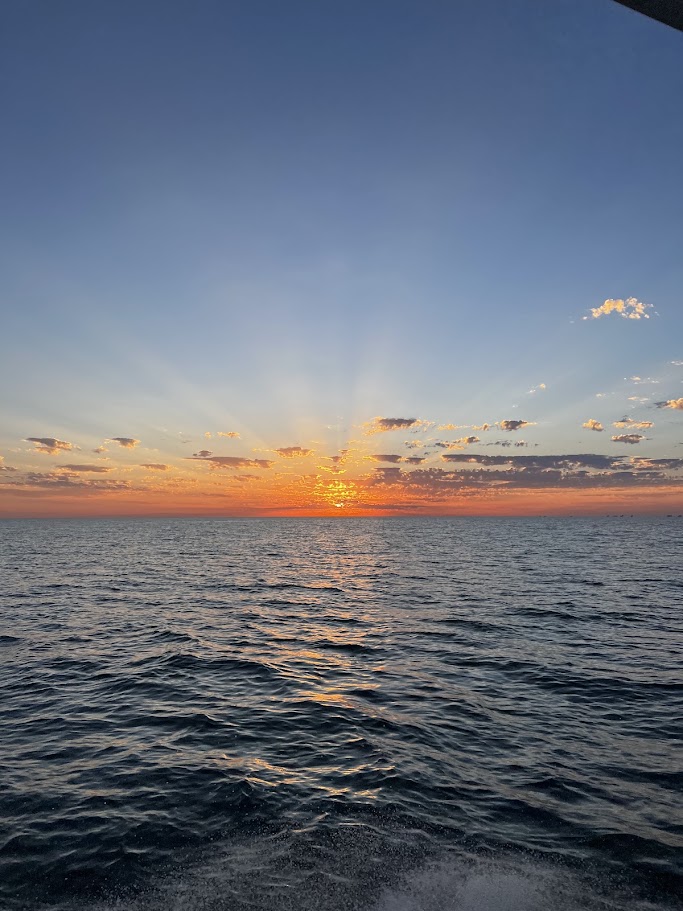
April Summary
April is when the Gulf wakes up.
The days grow longer, boats return to the water, bait begins appearing throughout the bays and along the beaches, and nearly every part of the coastal ecosystem starts moving again. Winter has finally released its grip, and Orange Beach settles fully into spring.
The beaches become lively without feeling overwhelmed.
Occasional spring-break traffic brings short bursts of activity, but April remains far more relaxed than summer. Most snowbirds have headed home, families begin returning, restaurants feel energetic again, and true boating season gets underway.
Beneath the surface, the entire fishery begins opening up.
Pompano travel along the shoreline, speckled trout and redfish move into spring territory, flounder begin returning through the passes, and the final spawning sheepshead leave nearshore structure for their summer homes. Farther offshore, yellowfin tuna remain available while anglers begin watching for the first major warm-water migrants.
April gives fishermen something different almost everywhere they look.
The surf becomes productive again. Wading opportunities begin appearing late in the month. The bays fill with bait, and the passes become highways connecting winter and summer habitats.
Dolphins respond to the same movement.
As food spreads toward Perdido Pass, the beaches, and the nearshore Gulf, dolphins begin exploring those waters more frequently. They never left the region, but April gives them a much larger area to roam.
The bird population changes just as dramatically.
Common loons and many cormorants begin leaving their wintering areas. Seasonal bald eagles become less common, while resident pairs may remain near established territories. At the same time, spring migrants arrive across the Gulf and use Alabama’s barrier islands, forests, marshes, and refuges as places to rest and feed.
April is one of the easiest months to enjoy Orange Beach from sunrise to sunset.
The weather is warm without being oppressive, humidity remains manageable, and the evenings are long enough to fit an entire day around the water. Cold fronts and windy periods can still interrupt plans, but the pleasant stretches become longer and far more dependable than they were in March.
The Gulf may still feel cool to swimmers.
But everything else is ready.
The fish are moving. The birds are migrating. The dolphins are exploring. Boats are leaving the docks, families are returning to the beach, and the coast has found its rhythm again.
April does not feel like a preview of summer.
It feels like its own complete season.
The Gulf has awakened.
And for one brief stretch before the heat, crowds, and intensity of summer arrive, Orange Beach may be at its very best.
About the Local Captain
Matt Swiggum is the owner and captain of Back Bay Charters in Orange Beach, Alabama. These guides combine verified public information with observations gathered from years spent boating, fishing, and helping families experience the bays, beaches, passes, dolphins, wildlife, and seasonal changes of Alabama’s Gulf Coast.
Continue Exploring the Orange Beach Almanac
Links to more Articles:
| Full-Year Guide | Previous Month | Next Month |
|---|---|---|
| Best Time to Visit Orange Beach | March in Orange Beach | May in Orange Beach |